






In today’s fast-paced and competitive marketplace, digital marketing is the most effective way to grow your small business. By implementing the right strategies, you can build brand awareness, drive traffic, and ultimately, increase sales. With limited resources and time, small businesses must be smart about how they use digital marketing to gain an edge over competitors.
In this article, we will explore digital marketing for small businesses, discuss the benefits of hiring a digital marketing agency, and look at how a digital marketing consultant can help you take your business to the next level.
Table of Contents
Why Digital Marketing is Crucial for Small Businesses
Digital marketing for small businesses offers the opportunity to reach their target audience in a way that is both measurable and cost-effective. Traditional marketing methods, such as print ads or TV commercials, require a significant investment and often lack the data needed to measure their success. On the other hand, digital marketing for small businesses allows them to reach customers where they spend most of their time—online.
Through digital marketing, small businesses can compete with larger companies using personalized and targeted campaigns. By engaging potential customers through multiple online channels, small businesses can drive conversions and build lasting relationships with their audience.

Top Digital Marketing Strategies for Small Business Growth
1. Search Engine Optimisation (SEO)
One of the most critical aspects of digital marketing is SEO. It involves optimizing your website so that it ranks higher on search engines like Google. For small businesses, SEO is essential because it helps drive organic traffic to your website without relying on paid advertising.
There are two main types of SEO:
- On-page SEO: Optimising individual pages of your website by using relevant keywords, optimizing meta descriptions, and improving the quality of your content.
- Off-page SEO: Building backlinks to your website from other authoritative websites, improves your website’s credibility and ranking.
By focusing on both on-page and off-page SEO, small businesses can improve their search engine rankings and attract more potential customers.
Choosing the Best Law Firm SEO Company in Los Angeles for Success
Top Reasons to Choose the Best Attorney SEO Company in San Jose
The Ultimate Guide to Choosing a Law Firm SEO Company in Harrisburg
Law Firm SEO: Dominate Online Searches for Legal Services
2. Pay-Per-Click Advertising (PPC)
PPC advertising is a paid digital marketing strategy that helps small businesses get immediate results. Platforms like Google Ads and social media channels like Facebook and Instagram allow businesses to create targeted ads that appear to users based on their search queries or interests.
The advantage of PPC is that it offers businesses the flexibility to control their advertising budget and only pay when someone clicks on their ad. For small businesses, PPC advertising can be an effective way to gain visibility and increase conversions, especially when combined with other digital marketing efforts.
3. Social Media Marketing
Social media is a powerful tool for small businesses looking to build brand awareness and engage with their customers. Platforms such as Facebook, Instagram, LinkedIn, and Twitter offer businesses a direct line of communication with their target audience.
By creating a strong social media presence, small businesses can:
- Build relationships with their customers.
- Share valuable content.
- Promote new products or services.
- Engage with followers through comments and messages.
For small businesses with limited budgets, social media offers a low-cost way to reach a broad audience and build an authentic brand presence.
4. Email Marketing
Email marketing is one of the most cost-effective ways to reach and engage your audience. By building a strong email list, small businesses can send personalized messages directly to their customers, promoting special offers, sharing company updates, and encouraging repeat business.
To succeed in email marketing, small businesses should:
- Segment their email list based on customer interests and behaviors.
- Use attention-grabbing subject lines.
- Include clear calls to action (CTAs) that drive conversions.
By nurturing your audience through email, you can build long-term customer loyalty and encourage repeat purchases.
5. Content Marketing
Content marketing focuses on creating and sharing valuable, relevant content that attracts and engages your target audience. For small businesses, content marketing is a vital component of their digital strategy, as it helps build trust with potential customers.
Content marketing can take many forms, including:
- Blog posts.
- Videos.
- Infographics.
- E-books.
By producing high-quality content, small businesses can establish themselves as industry leaders and improve their website’s SEO.
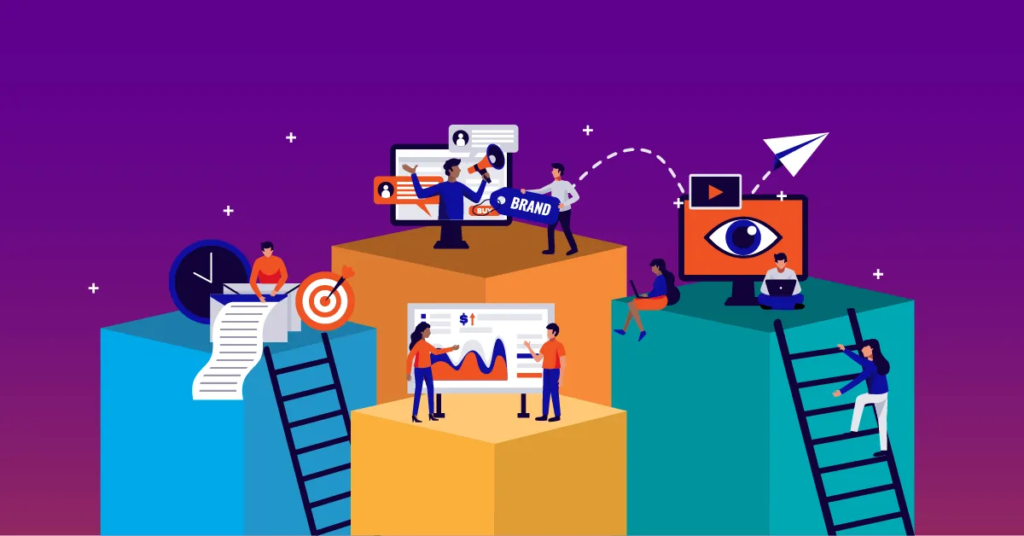
Hiring a Digital Marketing Agency for Small Businesses
For small businesses with limited resources, working with a digital marketing agency for small businesses can be a game-changer. A professional agency can help you develop and execute a comprehensive digital marketing strategy tailored to your business goals.
Some of the services provided by a digital marketing agency include:
- SEO and PPC management.
- Social media marketing.
- Website design and development.
- Email marketing.
- Content creation.
A good agency will have the expertise and tools needed to help your small business grow online while allowing you to focus on other aspects of running your business.
Benefits of Working with a Digital Marketing Consultant for Small Businesses
If hiring a full-time agency is not feasible, a digital marketing consultant for small businesses can provide the necessary guidance and expertise to help you succeed online. A consultant can offer personalized advice, help you identify your target audience, and recommend the best digital marketing strategies for your business.
The benefits of working with a digital marketing consultant include:
- Expert insights: A consultant has the knowledge and experience to identify the most effective digital marketing strategies for your business.
- Customized solutions: Unlike a large agency, a consultant will provide tailored recommendations that fit your specific needs and goals.
- Cost-effective: Hiring a consultant is often more affordable than working with a full-service agency, making it a great option for small businesses on a budget.
Measuring Success with Analytics
No digital marketing strategy is complete without tracking and measuring its success. By using tools like Google Analytics, small businesses can gain insights into how their website and marketing campaigns are performing.
Key metrics to track include:
- Website traffic.
- Conversion rates.
- Bounce rates.
- Engagement rates on social media.
- Return on investment (ROI) from paid ads.
By analyzing these metrics, small businesses can make data-driven decisions to optimize their digital marketing strategies and continue to grow.
The Guide To Organic SEO For Gym Owners
Chiropractor SEO: Boost Your Practice Online
7 Powerful Strategies For Fitness Marketing Agencies To Dominate The Market
Digital Flexibility: Gym SEO Services Solutions for Every Business
Understanding the Role of SEO agency in the Healthcare Industry
FAQs
What is the best digital marketing strategy for small businesses?
The best strategy depends on your specific goals and industry, but a combination of SEO, PPC, social media marketing, and content marketing typically provides strong results.
How much should a small business spend on digital marketing?
The budget can vary, but experts recommend allocating around 7-8% of your revenue to digital marketing. Hiring a small business digital marketing consultant can help optimize your spending.
How can a digital marketing agency help small businesses?
A digital marketing agency for small businesses can handle everything from SEO and PPC to social media and content creation, helping small businesses grow their online presence.
Why is SEO important for small businesses?
SEO improves your website’s visibility on search engines, driving organic traffic and increasing your chances of attracting new customers without paying for ads.
How often should small businesses update their digital marketing strategy?
Regular updates are essential, as digital marketing trends and algorithms constantly change. Small businesses should review their strategies every quarter.