





Regular dental cleanings are an important part of maintaining healthy teeth and gums, but no single schedule works for everyone. While many people know about visiting the dentist twice a year, the right frequency depends on your oral health, medical history, daily habits, and risk of dental problems.
For patients considering dental cleaning in Los Angeles, understanding what influences cleaning frequency can make it easier to build a preventive dental care routine that fits their needs.
Table of Contents
- Why Are Professional Dental Cleanings Important?
- How Often Should You Have Your Teeth Professionally Cleaned?
- Who May Need More Frequent Dental Cleanings?
- Signs You Should Not Wait Until Your Next Routine Appointment
- What Happens During a Dental Cleaning?
- Is Dental Cleaning the Same as Periodontal Treatment?
- How to Keep Your Teeth Cleaner Between Appointments
- How Can You Make Your Dental Visits More Comfortable?
- Frequently Asked Questions
- Is every six months the ideal dental cleaning schedule?
- Can I wait until my teeth hurt before seeing a dentist?
- How long does a professional dental cleaning take?
- Can children have regular dental cleanings?
- What should I do if my gums bleed during brushing?
- Does dental insurance cover routine cleanings?
- Final Thoughts
Why Are Professional Dental Cleanings Important?
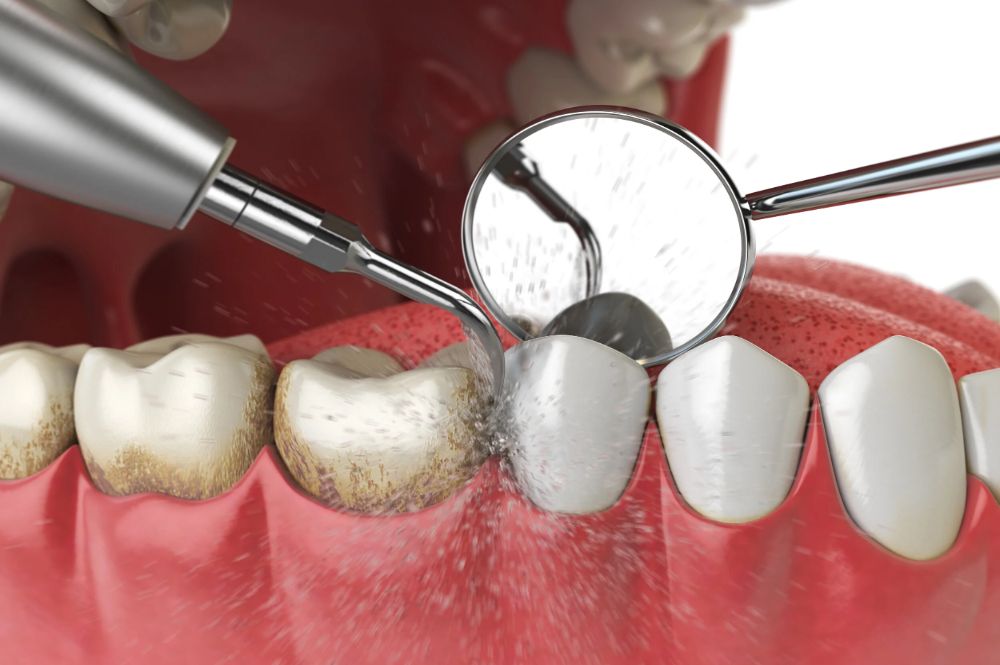
Brushing and flossing every day are essential, but they cannot remove every bit of plaque from the mouth. When plaque remains on the teeth, it can harden into tartar, also called calculus. Once tartar develops, a regular toothbrush generally can’t remove it effectively.
A professional cleaning lets a dental professional remove plaque and tartar from areas that are difficult to reach at home. It also provides an opportunity to examine the teeth and gums for early signs of potential problems.
Routine appointments may help identify issues such as:
- Early tooth decay
- Gum inflammation
- Gingivitis
- Signs of periodontal disease
- Excessive plaque or tartar buildup
- Tooth sensitivity
- Changes in existing dental work
Finding these concerns early can make treatment more straightforward and may help prevent minor problems from becoming more serious.
How Often Should You Have Your Teeth Professionally Cleaned?
No universal cleaning schedule applies to every patient.
Many people with good oral health are advised to have preventive dental visits around every six months. However, some patients may benefit from more frequent appointments, while others may be able to visit less often based on their individual risk factors and their dentist’s assessment.
Your recommended schedule may change over time. For example, someone with healthy gums and excellent home care may have different needs from a patient who has a history of periodontal disease.
Rather than relying solely on a calendar, follow a cleaning schedule your dental team recommends after evaluating your teeth, gums, and overall oral-health risk.
Who May Need More Frequent Dental Cleanings?
Certain circumstances can increase the likelihood of plaque buildup, gum problems, or other oral-health concerns. In these situations, a dentist may recommend more frequent professional cleanings or periodontal maintenance.
A History of Gum Disease
Patients who have experienced gingivitis or periodontal disease may need closer monitoring. Depending on the severity and progression of gum disease, you may need appointments more often than standard preventive visits.
Difficulty Controlling Plaque
Some people naturally accumulate plaque and tartar more quickly than others. Crowded teeth, certain dental appliances, and difficulty reaching specific areas during brushing and flossing can contribute to buildup.
Smoking or Tobacco Use
Tobacco use can increase the risk of gum disease and may affect the health of oral tissues. Patients who use tobacco may benefit from more regular dental monitoring.
Orthodontic Appliances
Braces and other orthodontic appliances can create additional areas where food particles and plaque collect. More frequent professional care may be useful while orthodontic treatment is underway.
Certain Medical Conditions or Medications
Some health conditions and medications can affect saliva production, gum health, or the body’s response to infection. Your dentist may consider these factors when recommending an appropriate appointment schedule.
Pregnancy
Hormonal changes during pregnancy can make some people more susceptible to gum inflammation. Maintaining regular dental care during pregnancy can help support good oral health.
Signs You Should Not Wait Until Your Next Routine Appointment
A routine cleaning helps prevent problems, but you shouldn’t wait for your next scheduled visit if you notice a change in your oral health.
If you are searching for a dental exam near you because of a new or persistent concern, consider contacting a dental office if you experience:
- Gums that bleed regularly when brushing or flossing
- Persistent bad breath
- Red, swollen, or tender gums
- Visible tartar buildup
- Ongoing tooth sensitivity
- Pain when chewing
- A loose or shifting tooth
- Changes in the way your teeth fit together
Some of these symptoms can have several possible causes, so an examination is the best way to determine what is happening.
What Happens During a Dental Cleaning?
Knowing what to expect can make a routine appointment feel much more straightforward.
A typical professional cleaning may involve several steps:
1. Oral Examination
The dental professional checks the condition of your teeth and gums and looks for visible signs of plaque, tartar, inflammation, decay, or other concerns.
2. Plaque and Tartar Removal
Specialized dental instruments remove hardened deposits from the teeth, including areas that are difficult to clean effectively at home.
3. Professional Flossing
Flossing helps clean between the teeth and around the gumline, where plaque can accumulate.
4. Tooth Polishing
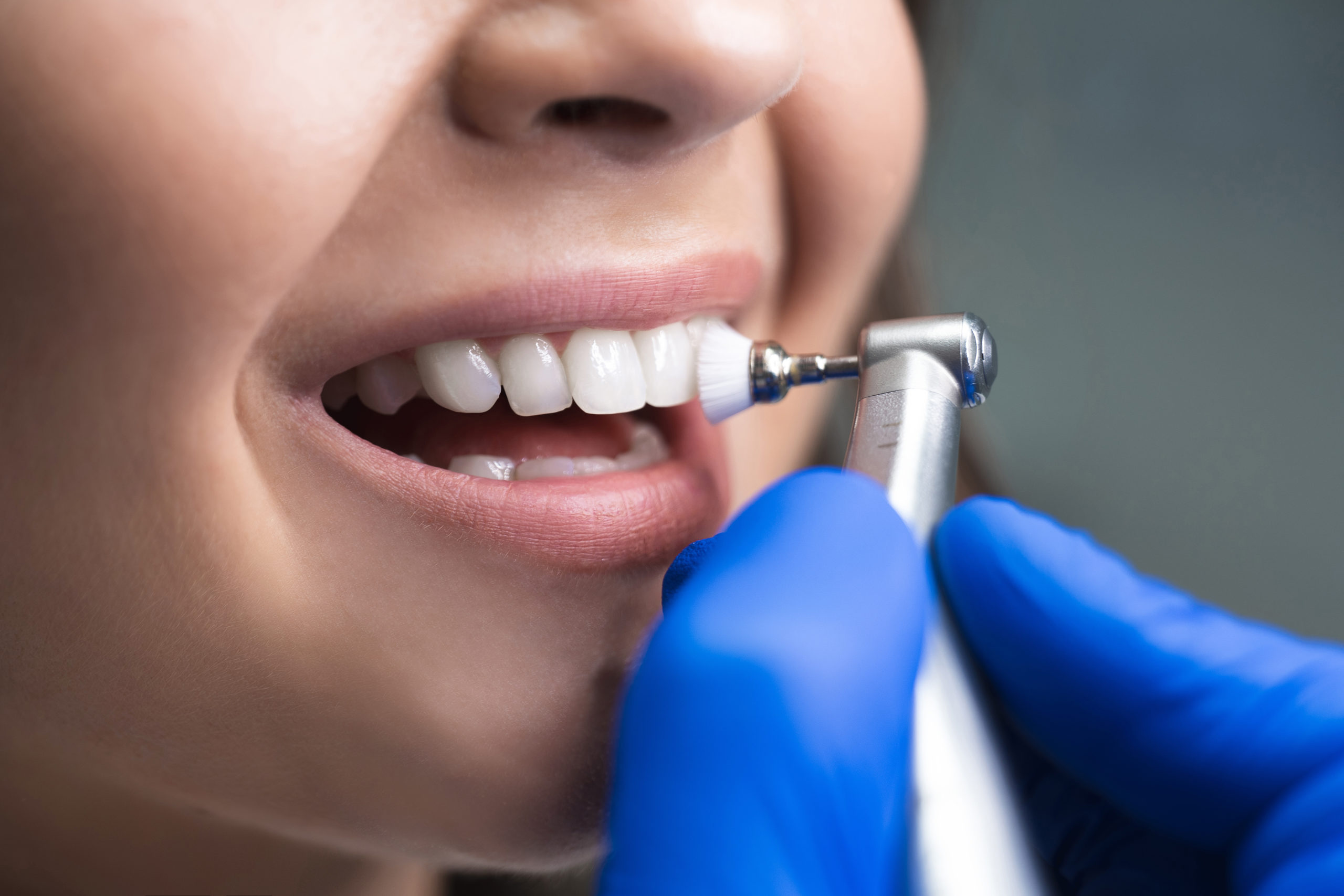
Polishing can help remove certain surface stains and leave the teeth feeling smoother after the cleaning.
5. Personalized Recommendations
Depending on what your dental team finds during the appointment, they may recommend changes to your brushing and flossing routine, additional treatment, or a different interval for your next visit.
Is Dental Cleaning the Same as Periodontal Treatment?
A routine dental cleaning is generally intended for patients with relatively healthy gums. Patients with periodontal disease may need a different type of care, often called periodontal maintenance or scaling and root planing, depending on their condition and treatment needs.
These procedures are more involved than a standard cleaning because they address disease affecting the gums and supporting structures around the teeth.
If you have been diagnosed with periodontal disease, ask your dental professional which type of maintenance schedule is appropriate for you.
How to Keep Your Teeth Cleaner Between Appointments
Professional cleanings work best when combined with consistent home care.
A few simple habits can make a significant difference:
- Brush your teeth twice a day with fluoride toothpaste.
- Clean between your teeth daily using floss or another recommended interdental cleaner.
- Replace your toothbrush or toothbrush head when the bristles become worn.
- Limit sugary foods and drinks.
- Drink water regularly, especially after meals when brushing isn’t practical.
- Avoid tobacco products.
- Follow any personalized recommendations from your dental team.
Good home care doesn’t eliminate the need for professional dental visits, but it can reduce plaque buildup and support healthier teeth and gums between appointments.
How Can You Make Your Dental Visits More Comfortable?
If you feel nervous about dental appointments, let your dental team know before treatment begins.
Simple measures such as discussing your concerns in advance, asking questions about the procedure, agreeing on a signal to pause treatment, and understanding what will happen during the appointment can make the experience more comfortable.
Some dental practices may also offer additional comfort or anxiety-management options depending on the treatment and patient’s needs.
Frequently Asked Questions
Is every six months the ideal dental cleaning schedule?
Not necessarily. Six-month visits are common for preventive care, but the appropriate interval depends on your oral health and individual risk factors. Your dentist can recommend a schedule based on your needs.
Can I wait until my teeth hurt before seeing a dentist?
It is best not to wait for pain. Some dental and gum problems can develop without noticeable symptoms early on. Regular preventive visits can help identify potential concerns sooner.
How long does a professional dental cleaning take?
Appointment length varies depending on your oral health, the amount of plaque or tartar present, and whether you need additional examinations. Many routine appointments can be completed within about an hour.
Can children have regular dental cleanings?
Yes. Children also benefit from preventive dental care. Their dental visits can help monitor tooth development, reinforce good oral-hygiene habits, and identify potential problems early.
What should I do if my gums bleed during brushing?
Occasional bleeding can have several causes, including plaque-related gum inflammation or brushing technique. If bleeding happens regularly, discuss it with a dental professional rather than ignoring it.
Does dental insurance cover routine cleanings?
Coverage varies by insurance plan. Many dental insurance policies include some level of preventive care, but patients should confirm their specific benefits, limitations, and frequency requirements with their insurance provider.
Final Thoughts
Regular professional dental care is an important part of maintaining a healthy smile, but the right cleaning schedule isn’t the same for everyone. While many people receive preventive cleanings about twice a year, patients with gum disease, increased plaque buildup, orthodontic appliances, or other risk factors may need a different schedule.
The best approach combines consistent brushing and interdental cleaning at home with professional dental care tailored to your needs.
Ready to schedule your next dental visit? View directions to Century Smile Maker on Google Maps and find a convenient route to the office for your upcoming cleaning or dental examination.