




Planning for future energy needs involves more than choosing a renewable energy source. Homeowners and property managers must consider electricity consumption, seasonal weather, roof suitability, installation costs, and changing household requirements. A solar panel company in Edmonton can help assess these factors and explain whether solar power is a practical option for a particular property. With informed planning, solar energy can become part of a long-term approach to electricity use in Alberta.
Table of Contents
- Understanding Your Energy Needs Before Going Solar
- How Edmonton’s Climate Influences Solar Energy
- Choosing a Solar Panel Company in Edmonton
- What to Consider Before Solar Panel Installation
- Evaluating Solar Costs and Long-Term Value
- Preparing for Future Energy Requirements
- Conclusion
Understanding Your Energy Needs Before Going Solar
Every property has different electricity requirements. Household size, appliances, lighting, heating equipment, and daily routines all influence consumption. Before investing in solar panels in Edmonton, property owners should review their electricity bills to understand how much power they use throughout the year.
Annual consumption records provide a useful starting point for estimating the appropriate capacity of a solar photovoltaic system. Properties with substantial daytime electricity use may benefit from a different configuration than those that consume more power during the evening.
Future requirements also deserve consideration. Adding an electric vehicle, expanding a home, or switching to electric heating can increase electricity demand. A qualified solar professional can evaluate these possibilities and explain how a proposed system may accommodate changing needs. Rather than choosing equipment based solely on current consumption, property owners should consider both present requirements and realistic plans.
How Edmonton’s Climate Influences Solar Energy
Edmonton experiences considerable seasonal variation, including long summer days, cold winters, snowfall, and changing daylight hours. These conditions should be considered when assessing the suitability of solar panels in Edmonton.
Solar photovoltaic panels convert available sunlight into electricity. They can generate power during colder weather and on overcast days, although production depends on sunlight intensity, panel orientation, shading, and system specifications. Shorter winter days generally provide fewer generation hours than longer summer days.
Snow accumulation can temporarily reduce electricity production when panels are covered. Roof angle, panel placement, and local weather conditions may influence how quickly snow clears. A professional site assessment can help identify potential shading issues and evaluate the available roof space.
Property owners should request annual production estimates that account for seasonal changes rather than relying exclusively on summer output. This approach provides a more realistic basis for planning electricity use and evaluating potential savings.
Choosing a Solar Panel Company in Edmonton
Selecting an installer is an important step towards a successful renewable energy project. A qualified solar panel company in Edmonton should explain the proposed equipment, estimated electricity production, installation process, project costs, and applicable approval requirements in clear language.
When comparing quotations, examine the complete scope of work rather than focusing exclusively on the initial price. Ask whether the proposal includes roof assessments, mounting equipment, electrical connections, permits, utility interconnection procedures, and system monitoring.
It is also important to check the installer’s qualifications, relevant project experience, insurance coverage, and warranty conditions. Product warranties and workmanship coverage may differ, so review their duration, exclusions, and claim procedures before making a decision.
Projected savings should be supported by transparent assumptions about electricity consumption, utility rates, system output, and ongoing expenses. Pro West Solar Systems can be included in the research process when exploring solar energy options. Reviewing available service information and requesting project-specific details can help property owners assess whether a proposed solution suits their requirements.
What to Consider Before Solar Panel Installation
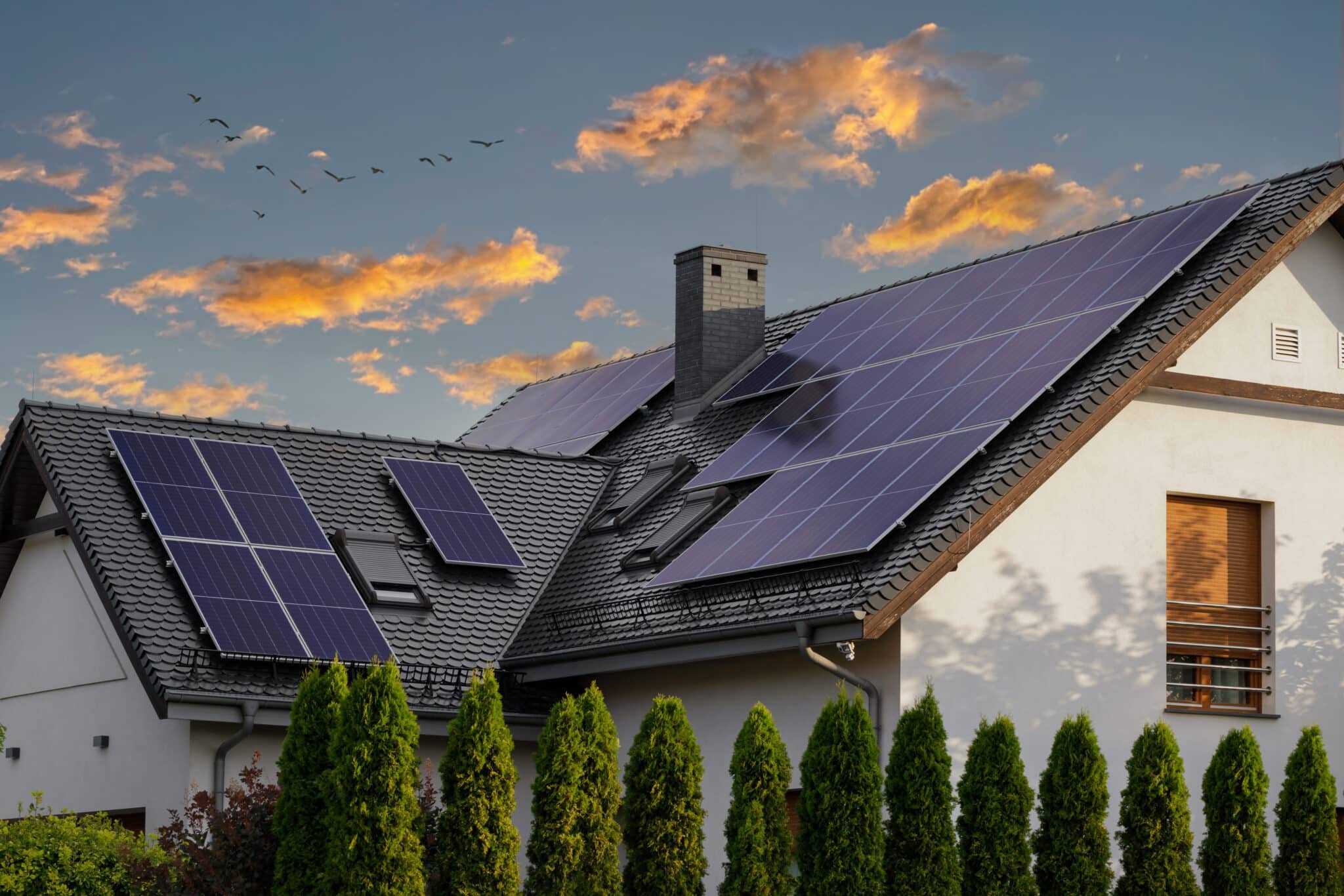
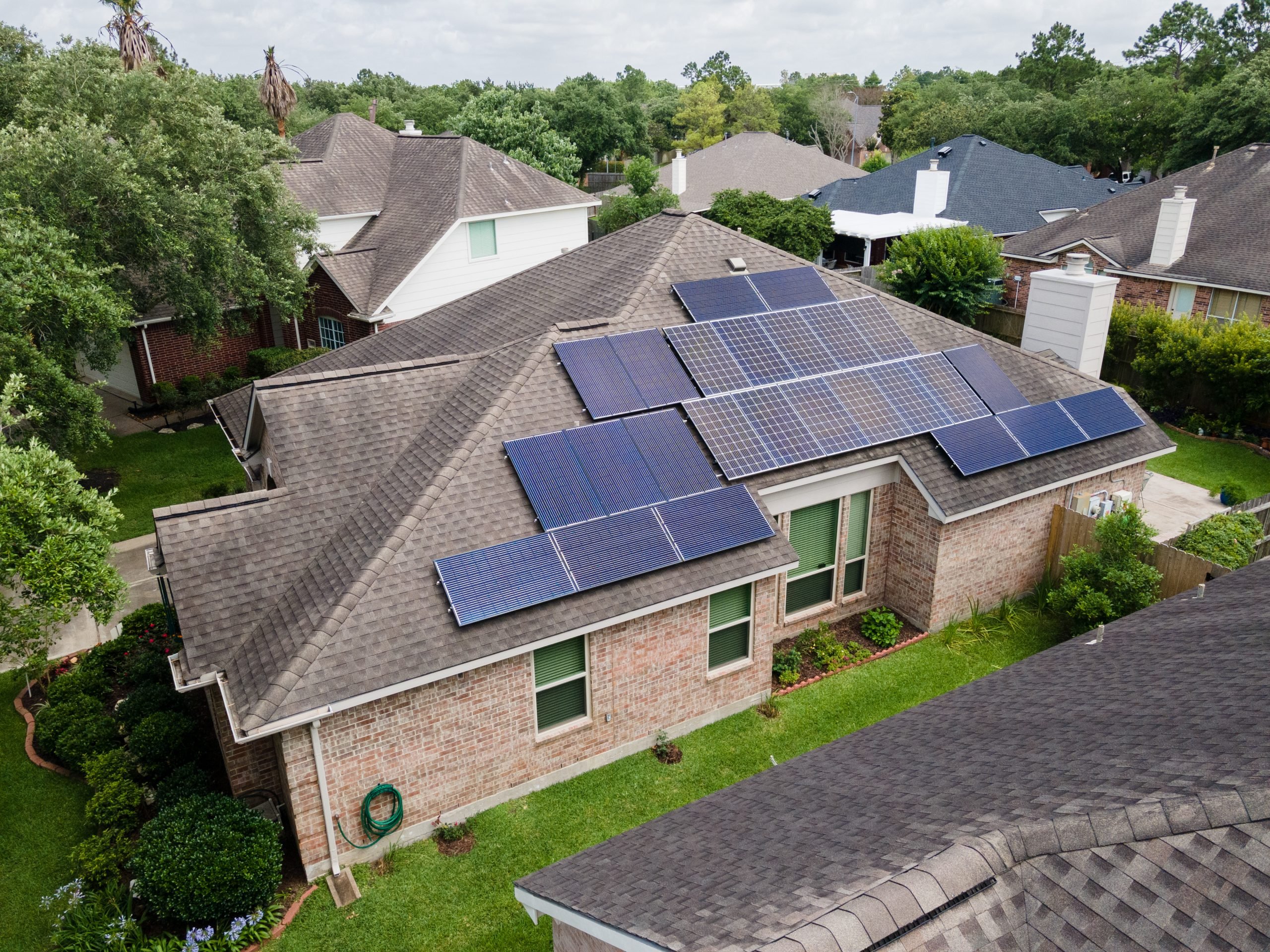
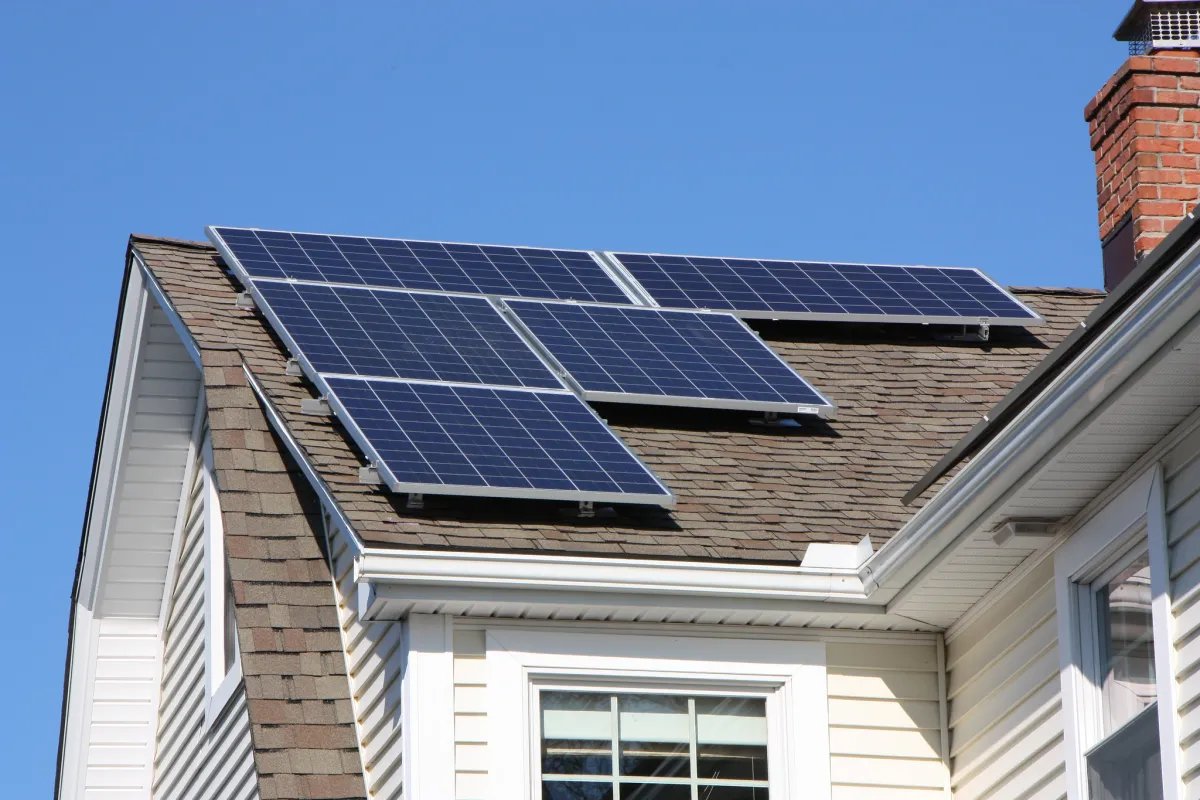
The effective solar panel installation starts with evaluating the property before selecting equipment. Roof age, structural condition, orientation, slope, and available surface area can affect the feasibility and cost of a project.
Consider these essential factors before proceeding:
- Roof condition: Confirm that the roof can support the proposed equipment and has sufficient remaining service life.
- Sun exposure: Assess shading from trees, nearby buildings, chimneys, and other obstructions.
- Electrical capacity: Determine whether the existing electrical infrastructure can accommodate the proposed system.
- Equipment selection: Compare panel specifications, inverter options, monitoring features, and warranty coverage.
- Permits and approvals: Confirm applicable municipal requirements, electrical permits, and utility connection procedures.
- Installation costs: Review equipment, labour, electrical work, permits, and any additional preparation expenses.
Solar panel installation should be completed by appropriately qualified professionals in accordance with applicable electrical and building requirements. Understanding the project scope in advance can help establish realistic expectations and reduce the likelihood of unexpected changes.
Evaluating Solar Costs and Long-Term Value
The financial value of a solar system depends on several factors, including its purchase price, electricity production, household consumption, and applicable utility arrangements. Initial expenses may cover panels, inverters, mounting hardware, electrical components, labour, permits, and necessary property upgrades.
Potential savings depend partly on how much generated electricity is used on-site and how surplus electricity is treated under the applicable utility arrangements. Electricity prices, financing costs, system performance, and future maintenance expenses can also affect the overall financial outcome.
Ask for a written estimate that explains the assumptions behind any projected savings or payback period. These figures are estimates rather than guarantees because electricity rates, consumption patterns, and equipment performance can change over time.
It is also worth checking whether relevant provincial, municipal, or federal incentives are available. Confirm current programme details and eligibility requirements through official sources before including any incentive in a project budget.
Preparing for Future Energy Requirements
A long-term energy plan should account for changes in household needs, technology, and electricity costs. Property owners can begin by documenting current consumption, reviewing available roof space, setting a realistic budget, and identifying possible increases in future demand.
If an electric vehicle charger or battery storage may be added later, ask about equipment compatibility and the potential cost of future upgrades. Considering these possibilities early can help clarify the available options without committing to equipment that may not be needed.
Before choosing an installer, compare written quotations, review warranty conditions, confirm qualifications, and ask how system performance will be monitored. These steps help property owners make informed decisions based on the property’s characteristics rather than general assumptions about solar power.
Frequently Asked Questions
How do I choose a solar panel company in Edmonton?
Compare qualifications, relevant experience, written quotations, equipment specifications, warranties, and knowledge of local approval requirements. Request realistic production estimates based on your property’s conditions.
Is solar power suitable for Edmonton’s climate?
Yes, solar panels can generate electricity in Edmonton, although output varies with daylight hours, weather, shading, and snow coverage. A property-specific assessment helps estimate annual production.
What affects solar panel installation costs?
Costs depend on system capacity, equipment, roof condition, electrical upgrades, labour, permits, and project complexity. An itemized quotation helps clarify the expected total.
Can solar panels generate electricity during winter?
Yes, panels can generate electricity when sunlight is available, but shorter days and snow coverage may reduce output. Annual estimates should account for seasonal variations.
Will solar panels eliminate my electricity bill?
Not necessarily. Your remaining charges depend on system production, electricity consumption, utility fees, and applicable export arrangements.
Do solar panels require ongoing maintenance?
Solar systems generally benefit from periodic inspection and performance monitoring in line with manufacturer recommendations. Maintenance needs depend on the equipment, installation, and site conditions.
Conclusion
Planning a solar project begins with understanding electricity consumption, future energy requirements, local weather conditions, and the property’s suitability for photovoltaic equipment. Comparing solar panels in Edmonton involves evaluating system performance, installation standards, total costs, warranties, and utility requirements. A qualified solar panel company in Edmonton can help property owners assess these factors and establish realistic expectations before committing to a project. By comparing options carefully and reviewing the details of solar panel installation, homeowners can determine whether renewable energy aligns with their long-term goals.
Considering solar power for your home or property? Explore the map to find the location, review available solar services, and take the next step towards planning your solar energy project in Edmonton.